Destination Spotlight: Unsung Japan
Japan is one of those places I keep circling back to in my head. And now that I'm actually planning a trip, I want to build it around how I want to feel, not just what I want to check off.
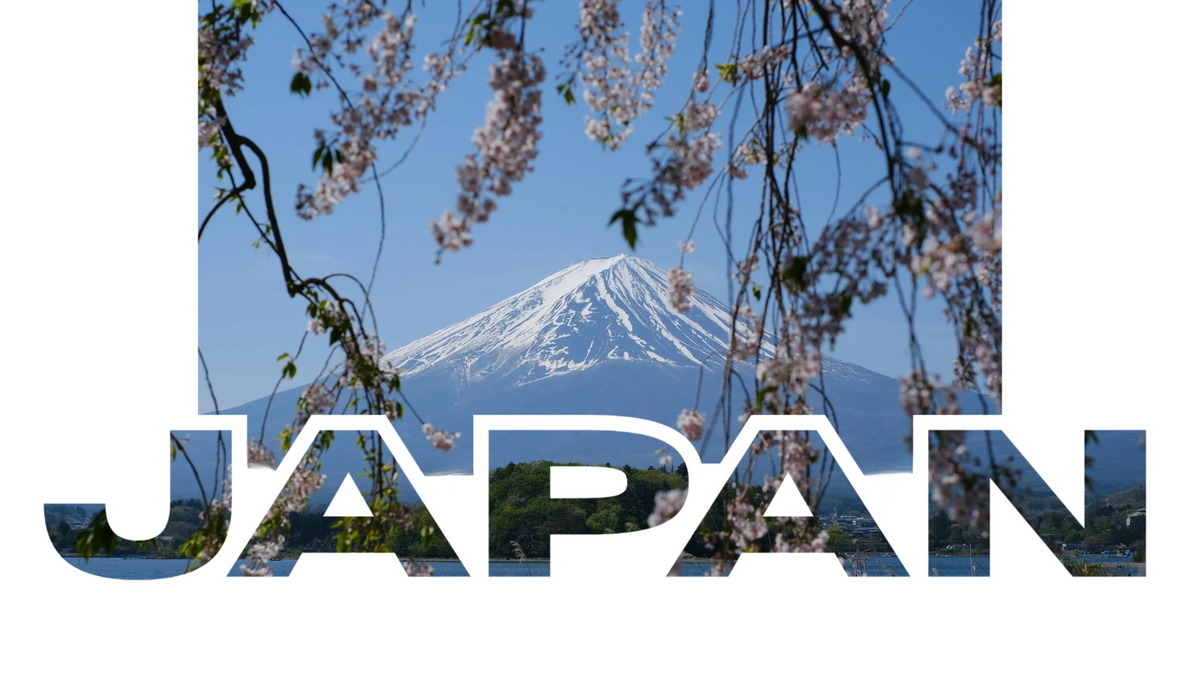
Japan is on my list for 2027. And honestly, I've already started thinking about it — not where I want to go first, but how I want to experience it. Because Japan is one of those places where it's easy to follow the same well-worn path. Tokyo. Kyoto. Maybe Mount Fuji. All of it incredible, all of it worth doing. But if you've already been that route — or if you're the kind of traveler who wants to go a little deeper from the start — there's a whole other Japan waiting.
Here's what I’ve been looking into for my own trip. And if Japan is on your list too, maybe it'll spark something for you.
For the curious and the culture obsessed
A cluster of small islands in Japan's Seto Inland Sea has quietly become one of the world's most interesting art destinations. Contemporary installations sitting alongside ancient fishing villages, shrines, and open rural landscapes. Not a museum. More like a living conversation between art and place.
Three islands to consider:
Naoshima is the anchor. The recently opened Naoshima New Museum of Art brings together major works from across Asia, and the Chichu Art Museum — built partially underground — uses natural light in a way that shifts how the art looks throughout the day. If you want to go all the way, Benesse House lets you sleep among works by Andy Warhol and David Hockney. The Art House Project turns former abandoned homes into immersive installations you walk through.
Teshima is quieter and more meditative. The Teshima Art Museum — a concrete structure designed to evoke a raindrop hitting the ground — doesn't show art in the traditional sense. It asks you to slow down and tune into wind, light, and water. The kind of experience you don't really describe, you just sit with.
Inujima is small but worth the trip. The Seirensho Art Museum incorporates the ruins of a former copper refinery into its design — industrial history and contemporary art occupying the same space.
Good for: couples who love art and culture. Families with older teens who are open to something unexpected.
For those who want to go slow and feel something
The Kumano Kodo is one of only two pilgrimage trail networks in the world designated as a UNESCO World Heritage site (the other being the Camino de Santiago in Spain). It's a network of ancient trails through the forested mountains of the Kii Peninsula, south of Osaka, that people have been walking for over a thousand years. Small guesthouses along the route, temple bells in the distance, stone steps worn smooth by centuries of pilgrims. The kind of walk that moves at the pace your body actually needs.
You don't have to do the full multi-day route. There are sections accessible for a single day or two, and the surrounding area including the sacred mountain town of Koyasan makes for a natural extension if you want more time.
Good for: couples looking for something meaningful over something busy. Families with older kids who are up for a real hiking experience.
For nature that stops you in your tracks
Yakushima is a subtropical island off the southern coast of Kyushu covered in ancient cedar forest. Some of these trees are over a thousand years old with the oldest estimated at 7,000 years. The island is so otherworldly it inspired the landscapes of Studio Ghibli's Princess Mononoke, which gives you a sense of the atmosphere. UNESCO World Heritage, abundant wildlife, sea turtle nesting beaches, natural onsens right at the ocean's edge.
Good for: adventurous couples and families who want to trade city Japan for something that feels completely different.
For history that stays with you
Most people treat Hiroshima as a day trip from Kyoto or Osaka. I'm thinking doing the opposite. Staying in Hiroshima to really give it time and then crossing to Miyajima Island by ferry is one of the more meaningful combinations you can do in Japan.
The Peace Memorial Park and museum are sobering in a way that I think is hard to prepare for. But Hiroshima itself is a thriving, warm city with incredible food like the okonomiyaki and oysters. And there’s a resilience that you feel just walking around. Miyajima is a short ferry ride away, home to the iconic floating torii gate of Itsukushima Shrine, free-roaming deer, and hiking trails up Mount Misen with sweeping views across the Inland Sea.
Good for: couples and families who want travel that connects them to something bigger than sightseeing.
And then there's Kanazawa
If you want cultural depth without the Kyoto crowds, Kanazawa is where I'd point you. Often called "little Kyoto," it's a compact, walkable city with a beautifully preserved samurai district, a geisha quarter that still feels lived in, and Omicho Market — one of the best seafood markets in Japan, drawing from the Sea of Japan just minutes away. The city produces 99% of Japan's gold leaf, and that craftsmanship shows up everywhere, from workshops to food to temple design.
Two days here is enough to feel like you've actually been somewhere.
Good for: couples and multigenerational families who want history, food, and craft without the tourist traffic.
Japan is one of those places I keep circling back to in my head. And now that I'm actually planning a trip, I want to build it around how I want to feel, not just what I want to check off. If it's on your list too, I'd love to help you think through it.