Destination Spotlight: Morocco
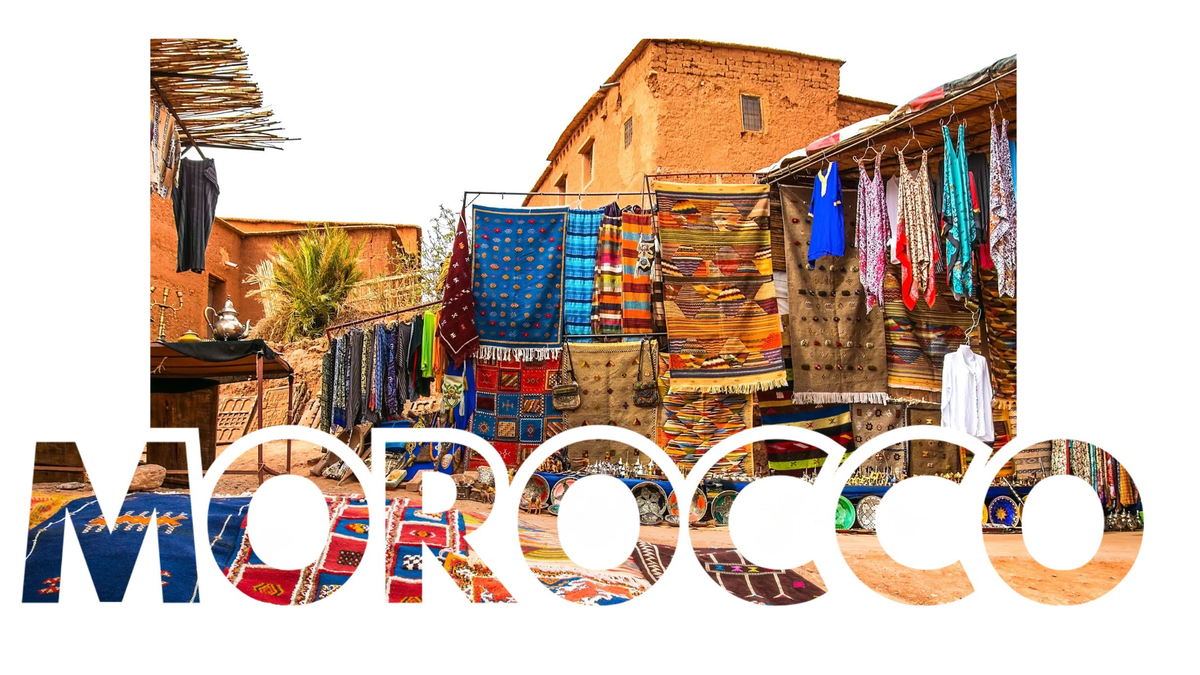
I've been thinking about Morocco a lot these last few months. The country is full of living history, ancient craft traditions, spice-scented markets, desert that seems to go on forever, and a kind of hospitality that feels rare now. But I also hear from a lot of people that Morocco feels hard to plan. Where do you start? How do you get it right?
That's the kind of question I love answering. Not just for Morocco, but for any destination that feels both exciting and a little out of reach. The places that deserve more than a generic itinerary.
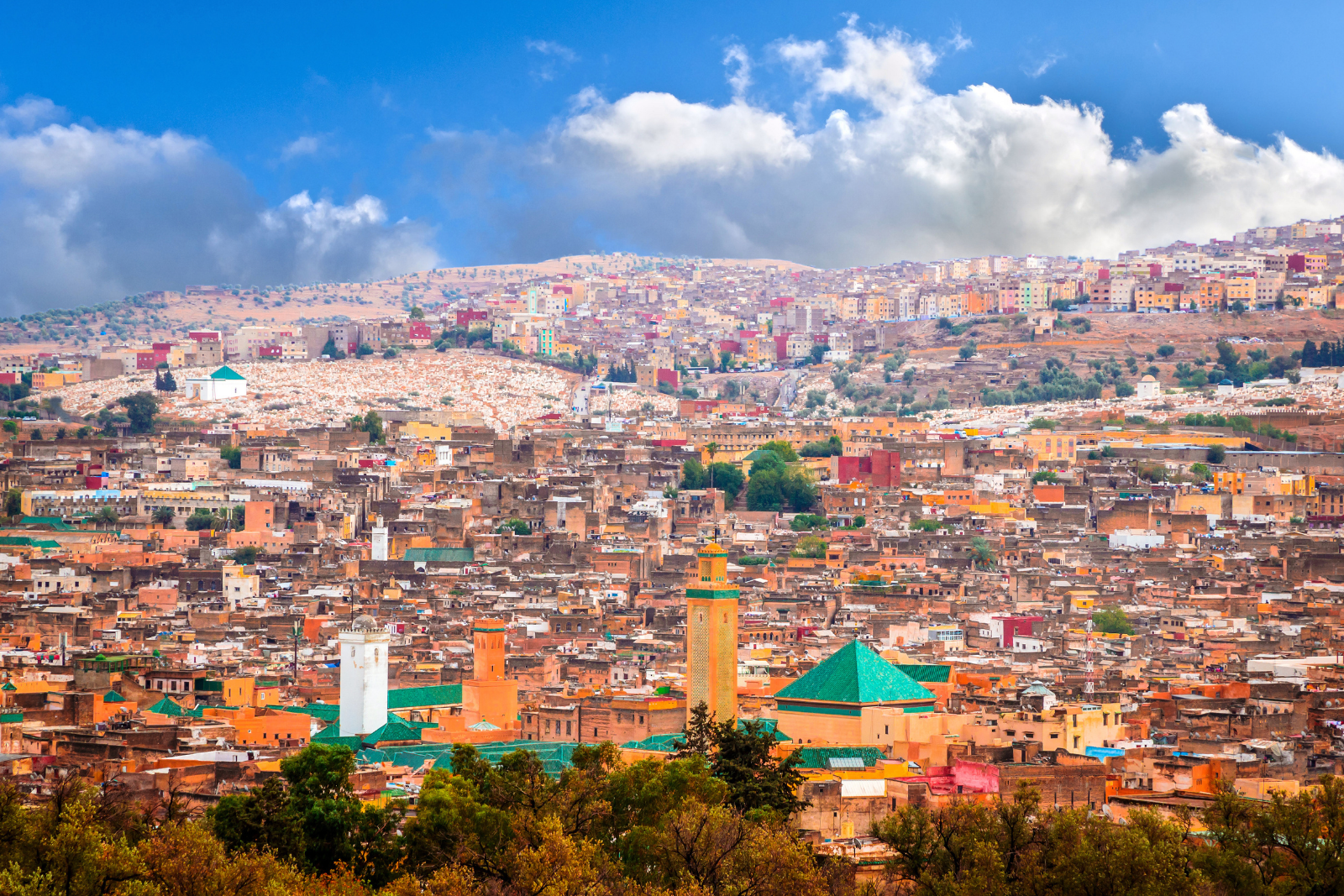
When to go
Morocco is a year‑round destination, but timing really shapes your experience. Most travelers skip the peak summer heat, especially for city sightseeing and the desert. Spring and fall bring warm, more comfortable days and lighter crowds, making it an ideal time to explore both vibrant cities and the Sahara with winter months offering quieter streets but colder nights.
Ramadan shifts each year (February/March). It's a meaningful time culturally, but it changes how daily life works. Many restaurants close or offer limited menus. Alcohol isn't available during the day and may be restricted in the evenings. Shops and museums have shorter hours or close completely. You're also expected to avoid eating, or drinking in public during daylight. Service can feel slower since locals are fasting, which affects tours and logistics. If this is your first trip to Morocco, I'd recommend planning around it.
Morocco also has festivals worth knowing about. The Rose Festival in the Dades Valley happens each May. Essaouira's Gnaoua World Music Festival draws crowds in June.
How long to stay
If you're only visiting Marrakech, three or four days works. If you want to see multiple regions, 10 days feels about right.
Where to go in Morocco based on your travel style
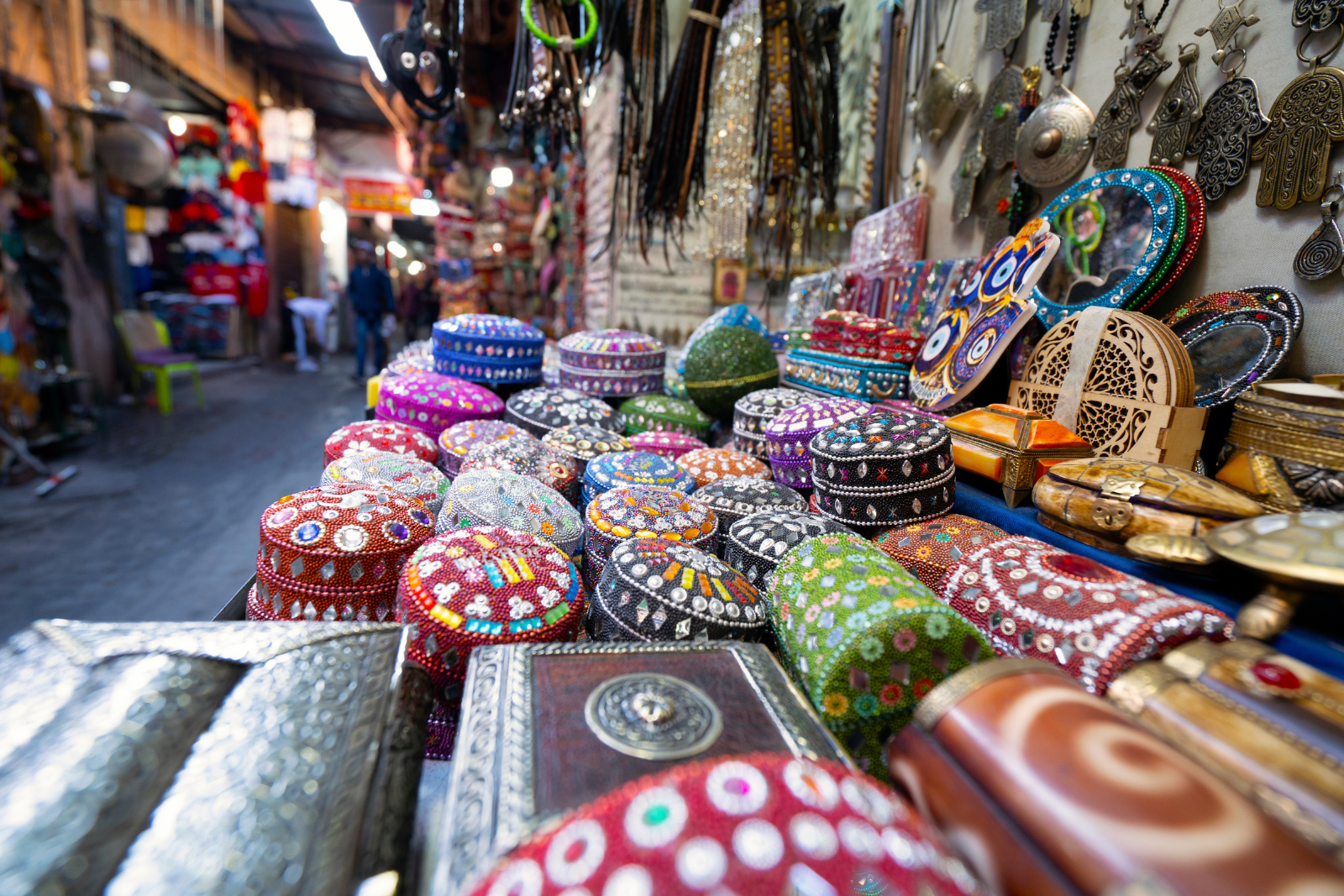
Marrakech
Traveler type: The Tastemaker
Who: Design lovers, foodies, and art enthusiasts
Also good for: First-time Morocco visitors
Marrakech is the vibrant cultural heart of Morocco, always buzzing with new galleries, concept stores, and chef-driven restaurants. If you love creative energy and want to be fully immersed in a place (wandering medinas, discovering artisan workshops, sipping mint tea on a riad rooftop, ending the day at a beautiful restaurant or cocktail bar), Marrakech is for you.
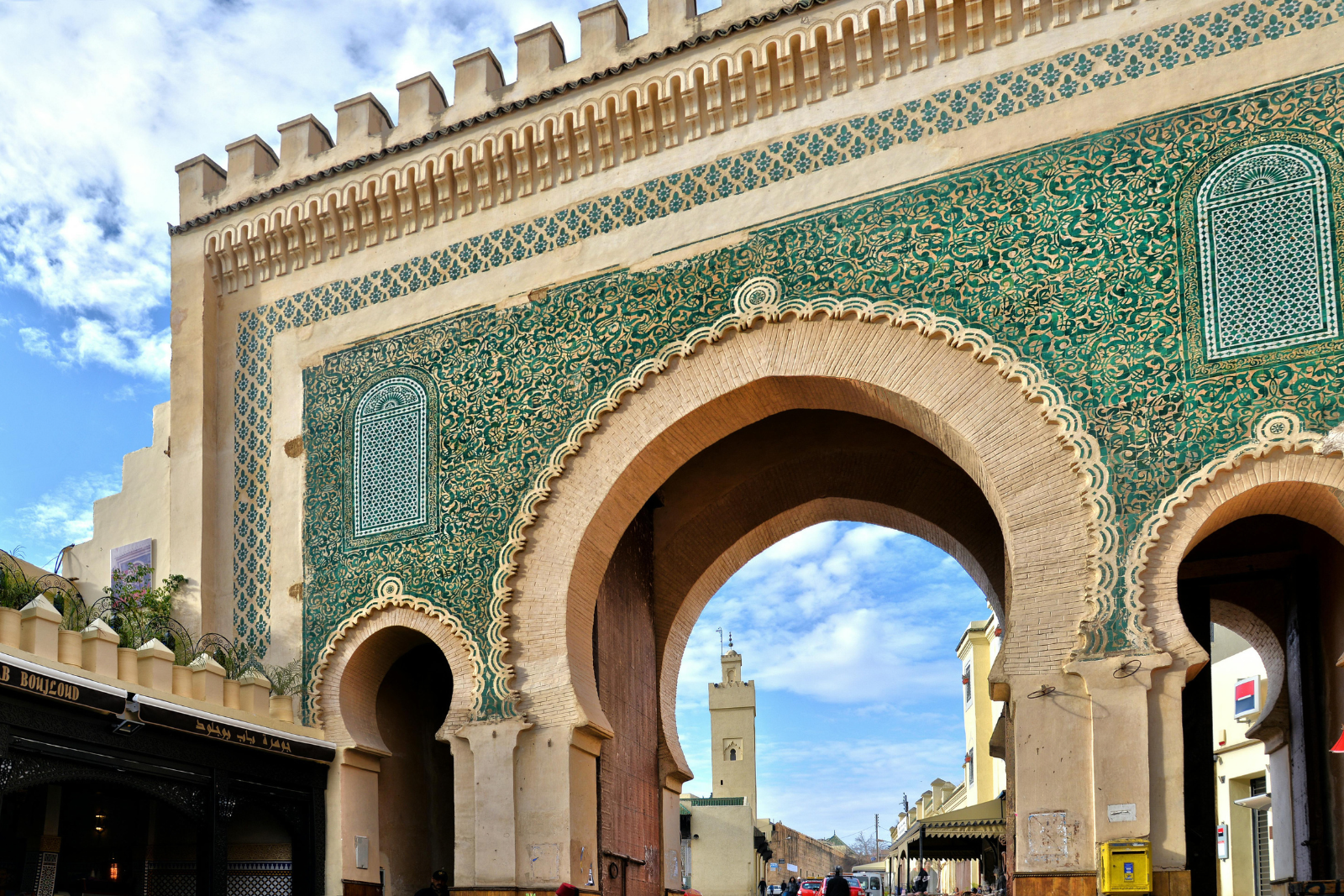
Fez
Traveler type: The Cultural Purist
Who: History lovers, intellectually curious travelers, culture-first explorers
Also good for: Deeper dive, second-time Morocco visitors or those pairing with Marrakech.
Fez is Morocco at its most traditional. Steeped in history and home to one of the world’s oldest universities and a UNESCO-listed medina, it’s ideal for travelers who want to step back in time. Imagine a labyrinth of alleyways, artisan tanneries, and layers of history that remain largely unchanged.
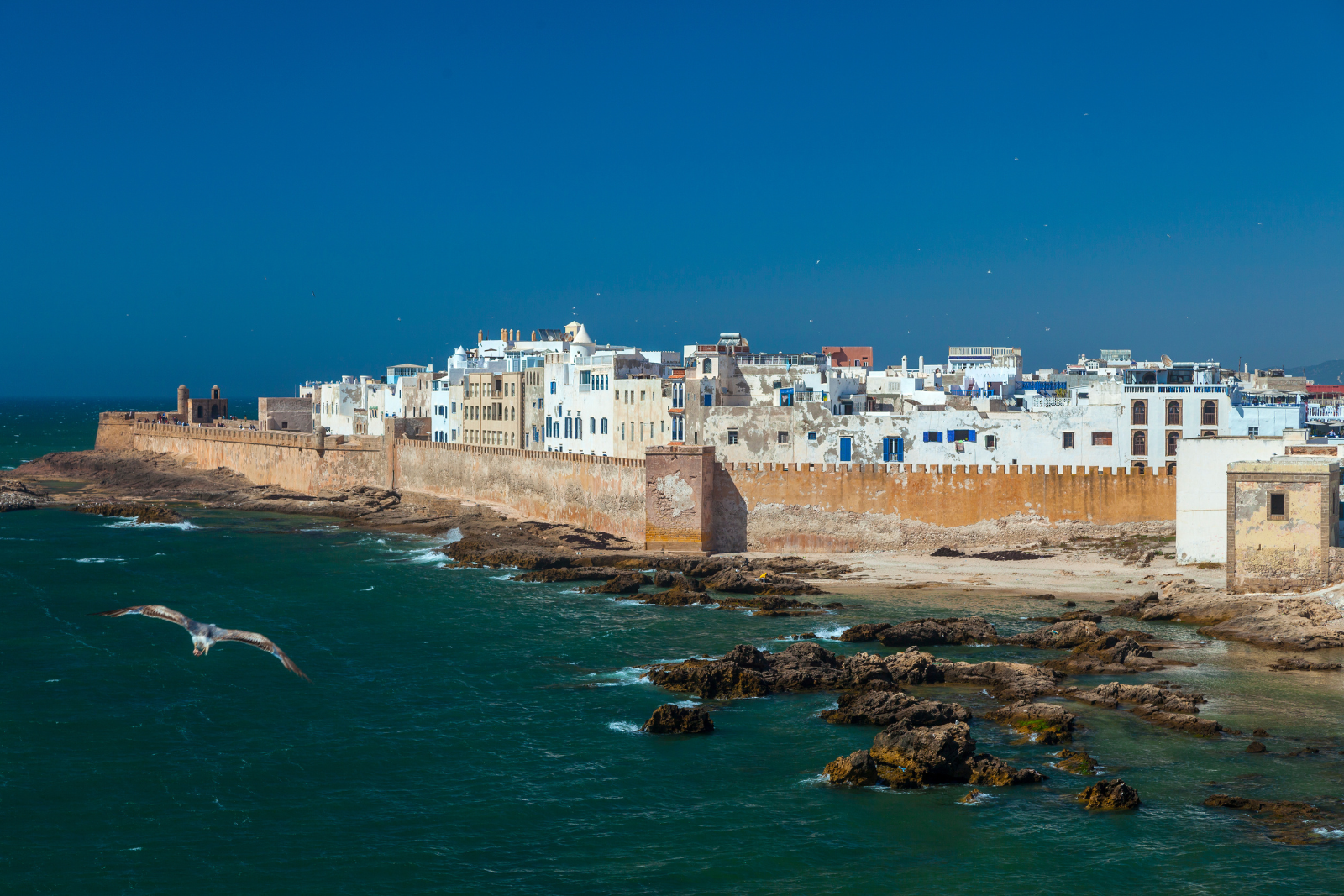
Essaouira
Traveler type: The Laid-Back Creative
Who: Honeymooners, solo travelers, surfers, wellness-minded travelers
Also good for: Windsurfers and kitesurfers
Essaouira is the relaxed, bohemian contrast to Marrakech and Casablanca. Known for its breezy beaches, fresh seafood scene, and artistic spirit, budget time here if you want wellness, surf, and slower-paced Moroccan charm.
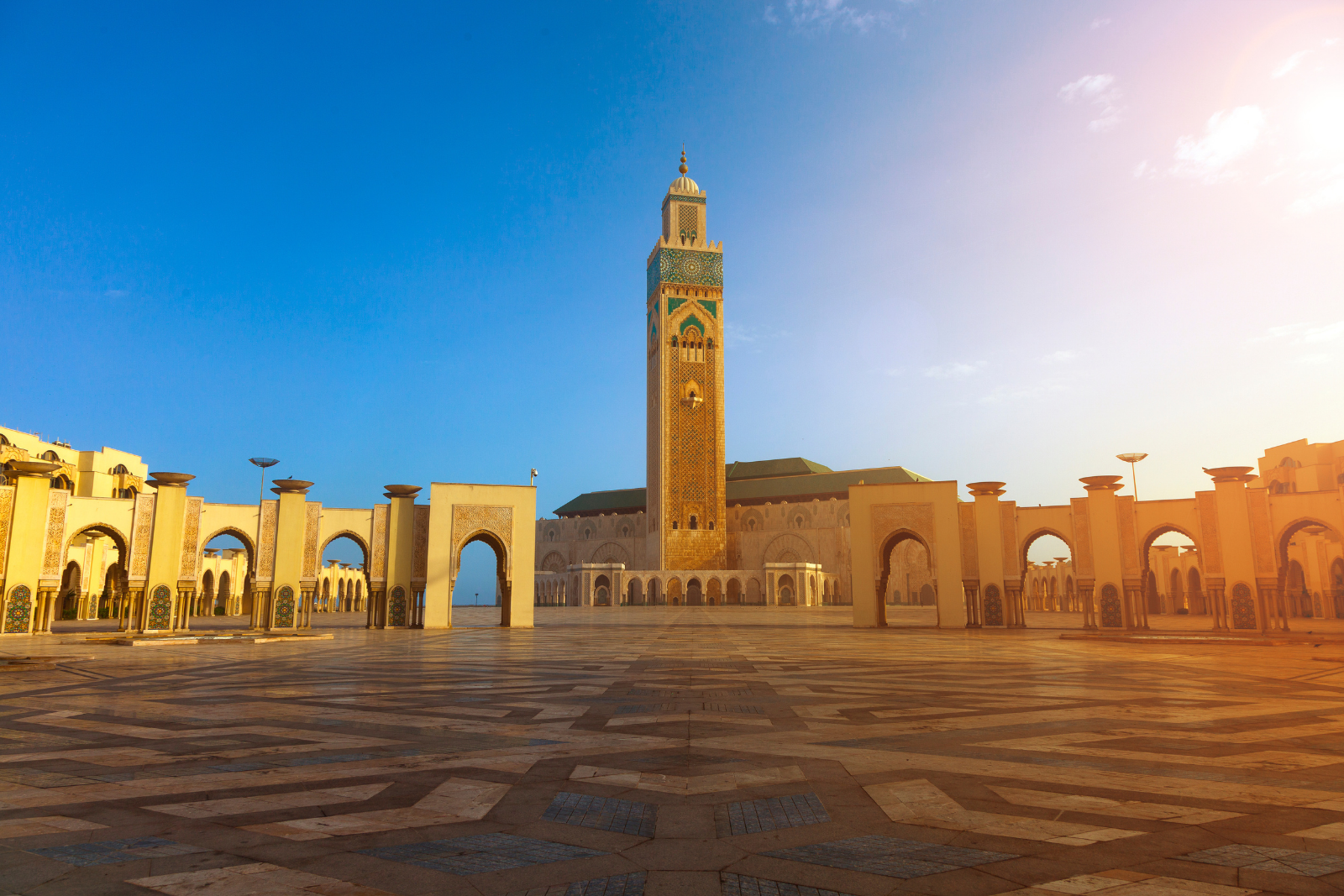
Casablanca
Traveler type: The Urban Connector
Who: Short-stay travelers, business travelers, architecture enthusiastsAlso good for: Quick stop as an entry or exit point for larger Morocco itineraries.
Casablanca is Morocco’s modern metropolis and primary international gateway. It only warrants a brief visit, but if you do carve out the time, don’t miss the iconic Hassan II Mosque set over the Atlantic.
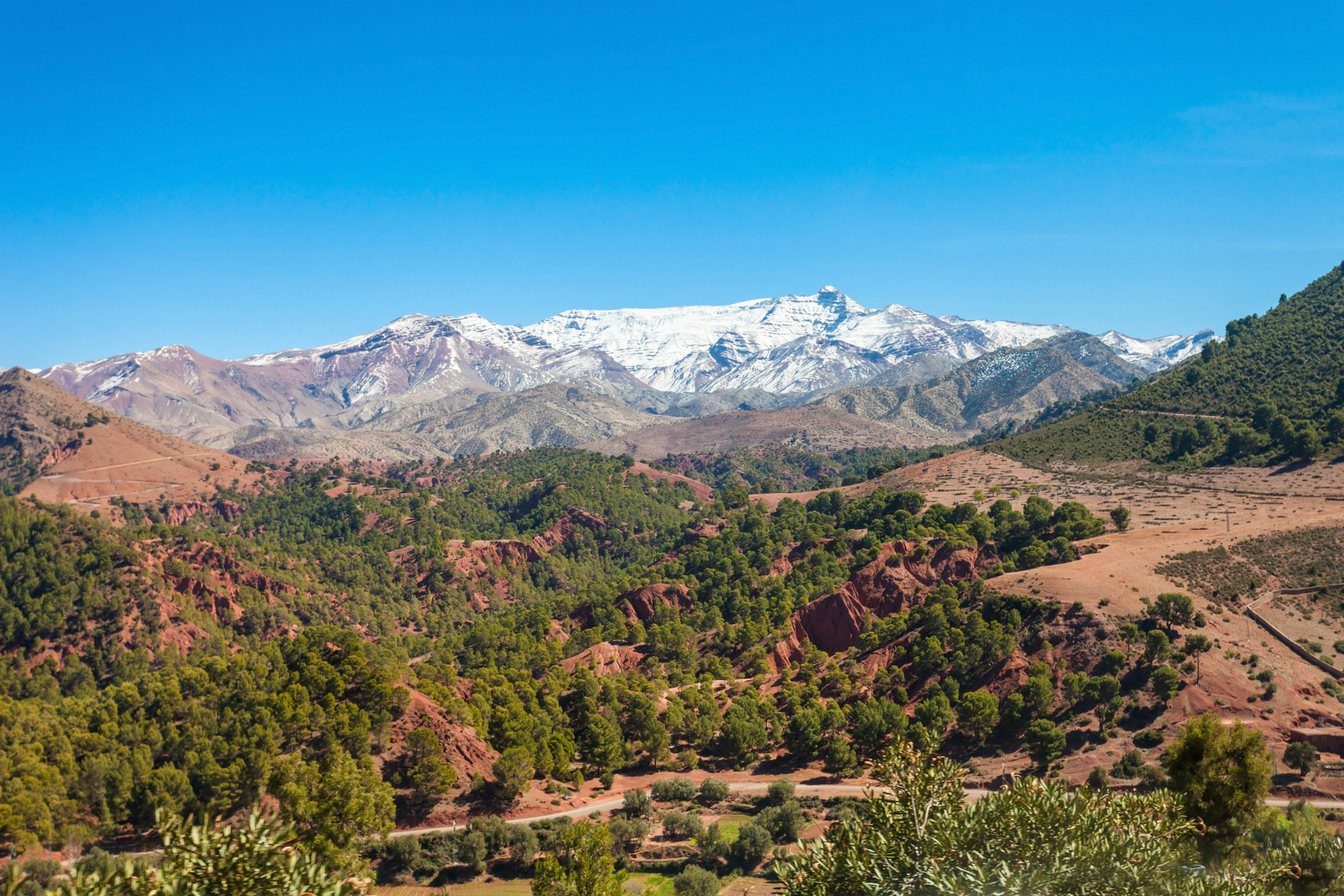
Atlas Mountains
Traveler type: The Nature-Forward Cultural Traveler
Who: Couples, wellness travelers, active explorers
Also good for: A day trip and quick dose of nature and serenity.
If you’re a mountain-over-beach person, crave fresh air, and love wide-open landscapes, the Atlas Mountains are just a short drive from Marrakech (doable in a day!) and offer both hiking and local village visits.
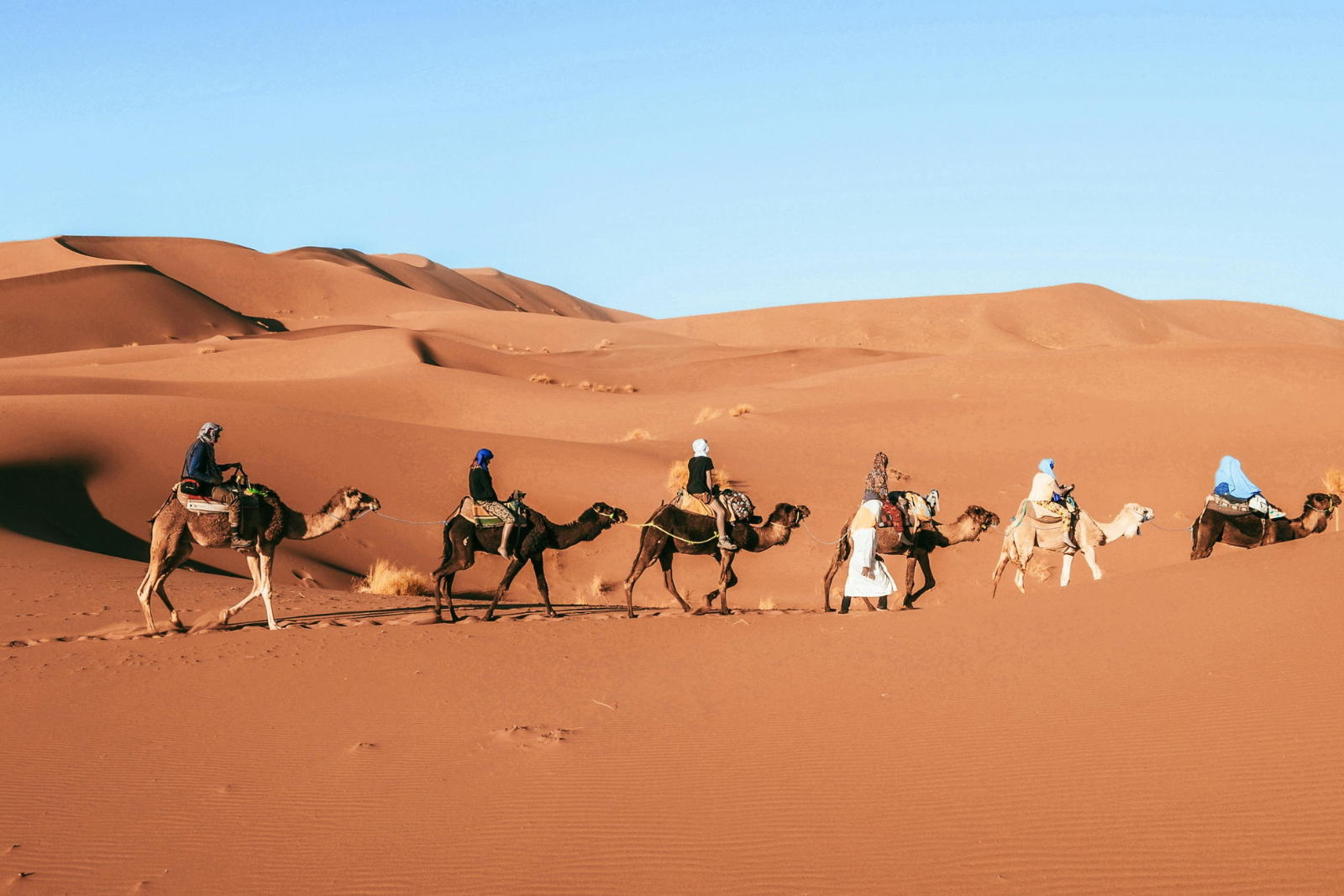
The Sahara
Traveler type: The Bucket-List Checker
Who: Adventure travelers, couples
Also good for: Photographers
If you want awe-inspiring experiences and are willing to work for it, don't skip the Sahara. Reached via a multi-day journey or flight-and-drive combination, the Sahara rewards intrepid travelers with luxury tented camps, incredible sand dunes (think camel treks, 4x4 outings, and sunset rituals), and dining under more stars than you can count. It’s dramatic and unforgettable.
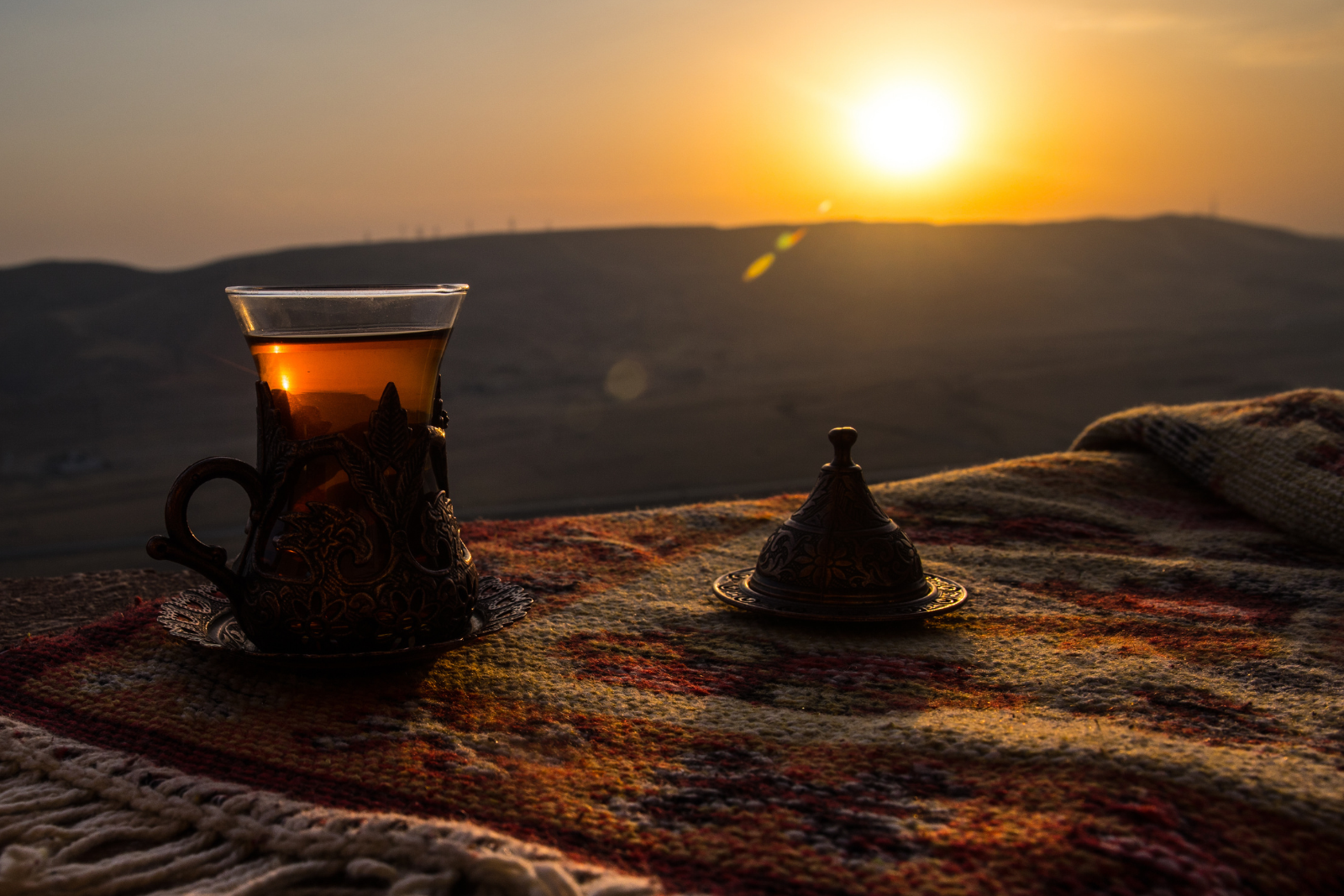
Agafay Desert
Traveler type: The Luxury Minimalist
Who: Couples, honeymooners, short-stay travelers
Also good for: A first desert experience without long transfers.
Agafay delivers the magic of the desert just outside of Marrakech. The desert here is a rocky landscape vs. the Sahara’s seemingly endless dunes. That said, you can still enjoy sunset camel rides, al fresco dinners under the stars, and quiet mornings with stellar views.
If not Morocco
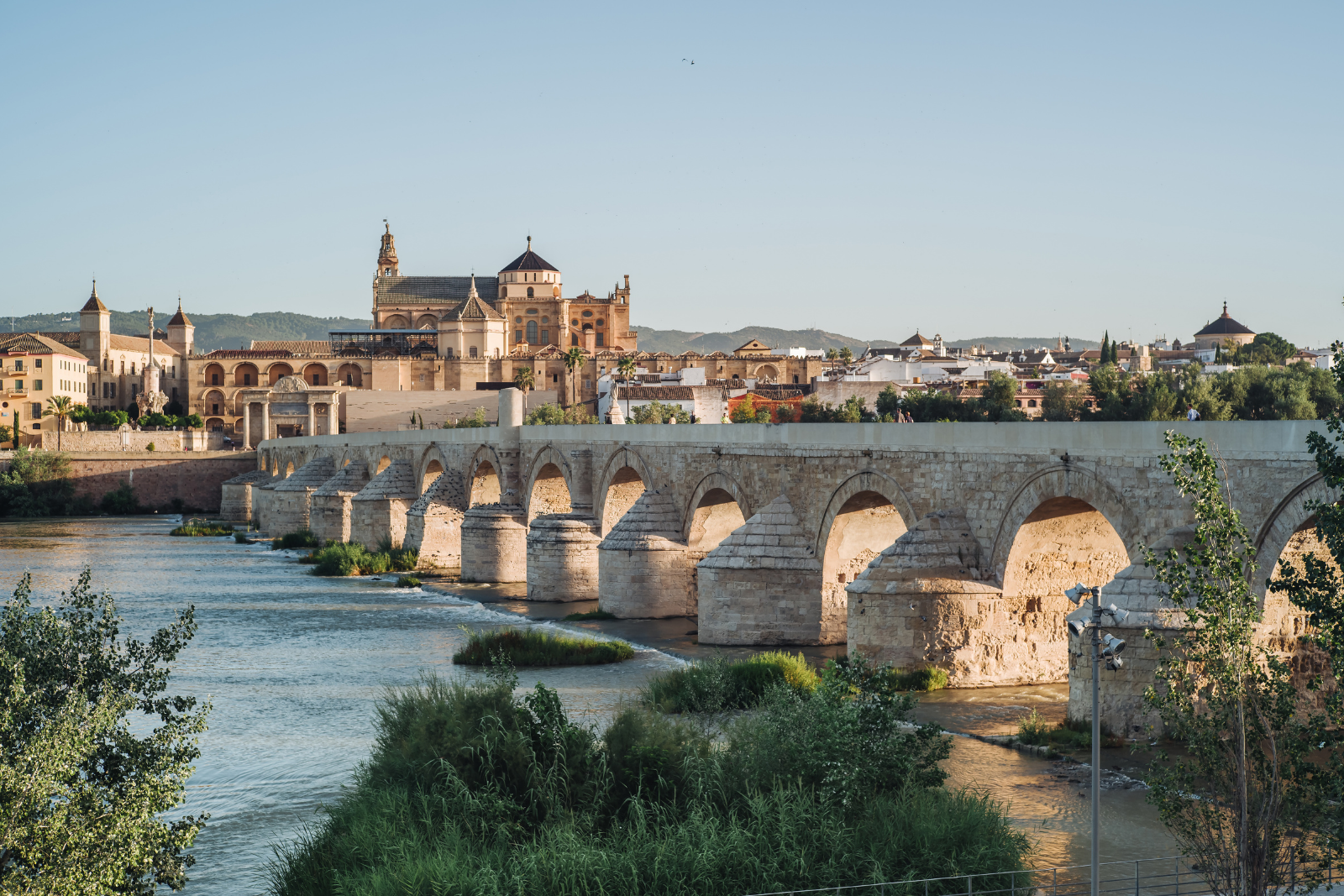
If Morocco isn't on your list right now, consider southern Spain. I love this region, so much so that I'm planning my own trip back, then crossing over into Morocco from Spain.
The connection between the two is deep. Centuries of Moorish rule left southern Spain with tiled courtyards, intricate archways, spice-scented markets, and a slower rhythm that feels more North African than European. Granada's Alhambra is one of the most stunning examples of Islamic architecture in the world. Córdoba's Mezquita blends mosque and cathedral in ways that still feel impossible. Seville has flamenco, orange tree-lined streets, and some of the best tapas bars you'll ever walk into.
If you want coast, Marbella and the towns along the Costa del Sol offer beach clubs, excellent seafood, and that chill Mediterranean vibe. Ronda sits on a dramatic gorge with views that stop you in your tracks.
It's accessible, beautiful, and full of history. And if you've been curious about Morocco but it feels like a bigger leap, the Andalusia region of Spain is a wonderful place to start.